Introduction
The rapid advancement of Artificial Intelligence (AI) has sparked many questions about the future of work, especially in the IT sector. Engineers and students preparing for IT careers often wonder: will AI take our IT jobs by 2026? While AI is transforming the industry, it is important to understand which jobs are most affected, how the nature of work is changing, and what proactive steps can be taken to stay competitive.
Understanding the Impact of AI on IT Jobs
AI technologies such as machine learning, automation, and natural language processing are increasingly integrated into IT workflows. This integration brings changes, but it does not necessarily mean wholesale job losses. Instead, the IT landscape is evolving in several key ways:
- Automation of Repetitive Tasks: AI tools automate routine coding, testing, and system monitoring tasks, reducing time spent on mundane activities.
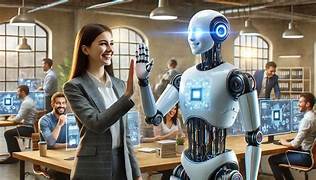
- Augmentation of Human Capabilities: AI assists engineers with data analysis, predictive maintenance, and decision-making, enabling higher productivity.
- Creation of New Roles: Emerging fields like AI ethics, AI system design, and data science are generating fresh opportunities.
Jobs Most Likely to Be Taken or Changed by AI
While AI is a powerful tool, its impact varies across IT roles. Here are some roles that are more susceptible to automation or significant transformation by 2026:
- Basic Coding and Testing: AI can generate code snippets and automate testing, reducing demand for entry-level programmers focused on routine tasks.
- IT Support and Helpdesk: Chatbots and AI-powered support systems are increasingly handling first-level troubleshooting and customer queries.
- Data Entry and Processing: Tasks involving repetitive data management are being automated, decreasing the need for manual intervention.
However, jobs that require creativity, complex problem-solving, strategic thinking, and interpersonal skills remain less vulnerable.
Skills Engineers Should Focus on to Stay Relevant
To thrive in an AI-enhanced IT environment, engineers must adapt by developing skills that complement AI capabilities rather than compete with them. Essential skills include:
- Advanced Programming and AI Literacy: Understanding AI algorithms, frameworks, and how to integrate AI into applications.
- Problem-Solving and Critical Thinking: Tackling complex challenges that AI cannot easily solve.
- Human-AI Collaboration: Learning how to work alongside AI tools effectively.
- Soft Skills: Communication, leadership, and teamwork remain vital in coordinating projects and managing stakeholders.
- Continuous Learning: Staying updated with emerging technologies and industry trends.
How Students and Parents Can Prepare for the Changing IT Landscape
For students aspiring to IT careers and their parents supporting them, understanding these trends can guide educational choices and career planning:
- Focus on Foundation Skills: Strong fundamentals in mathematics, logic, and computer science are essential.
- Encourage Exploration of AI and Emerging Technologies: Enroll in courses related to AI, machine learning, data science, and cybersecurity.
- Promote Hands-On Experience: Internships, coding projects, and collaboration on real-world problems build relevant skills.
- Foster Adaptability and Curiosity: Emphasize the importance of lifelong learning and staying adaptable to change.
- Consider Interdisciplinary Learning: Combining IT skills with knowledge in areas like business, healthcare, or design can open diverse career opportunities.
Conclusion: AI as a Catalyst, Not a Replacement
By 2026, AI will undoubtedly transform the IT industry, automating some tasks and creating new opportunities. For engineers and students, the key to job security lies in embracing AI as a tool to augment human skills rather than viewing it as a threat. Developing advanced technical abilities, cultivating soft skills, and committing to continuous learning will ensure a successful and fulfilling career in the evolving IT landscape.
Remember, AI is not here to take jobs away but to change the way we work. Preparing thoughtfully today will empower the next generation of engineers to lead tomorrow's innovations.